
Why You're Still Tired After 8 Hours of Sleep: 6 Hidden Energy Drains
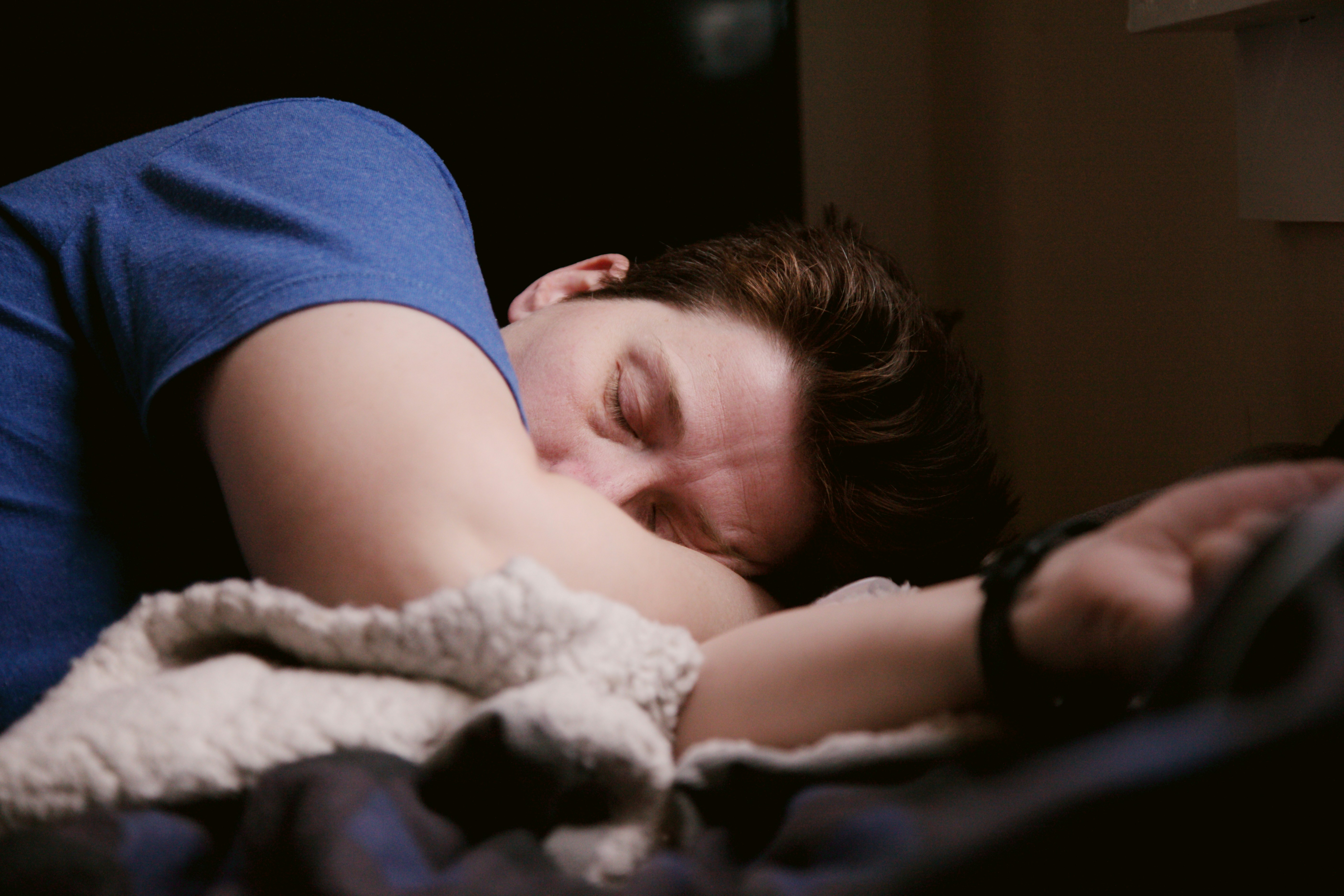
You did everything right. You went to bed at a reasonable time, got your full eight hours, and even woke up naturally without an alarm. Yet here you are, feeling like you could crawl back under the covers and sleep for another eight hours. If this sounds familiar, you're definitely not alone—and more importantly, you're not crazy.
You did everything right. You went to bed at a reasonable time, got your full eight hours, and even woke up naturally without an alarm. Yet here you are, feeling like you could crawl back under the covers and sleep for another eight hours. If this sounds familiar, you're definitely not alone—and more importantly, you're not crazy.
At Stepping Stone Natural Health in St. Cloud, Minnesota, we see this frustrating scenario almost daily. Clients come to us exhausted despite doing all the "right" things for sleep hygiene.
The truth is, feeling tired after adequate sleep isn't about how long you slept. It's about what's happening inside your body both while you’re awake and asleep.
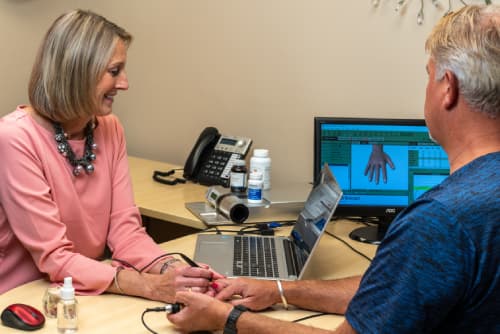
Through Electro Dermal Screening (EDS) and our personalized approach, we've helped countless Central Minnesota residents discover the hidden energy drains that leave them feeling exhausted no matter how much they sleep. Here's what might be stealing your energy.
1. Blood Sugar Rollercoaster
Your blood sugar levels have a massive impact on your energy, even when you're sleeping. If your blood sugar spikes and crashes throughout the night, your body never truly gets the restorative rest it needs.
Signs your blood sugar is affecting your sleep quality:
- Waking up between 2-4 AM (when blood sugar often drops)
- Night sweats or feeling too hot during sleep
- Waking up hungry or craving carbs/sugar immediately
- Feeling tired within 2-3 hours of eating, even after a full night's sleep
- Energy crashes in the afternoon, regardless of sleep quality
What's happening: When blood sugar drops during the night, your adrenal glands release stress hormones like cortisol and adrenaline to bring it back up. This creates internal stress that prevents deep, restorative sleep phases, leaving you tired even after eight hours in bed.
Common culprits:
- Eating large meals or sugary snacks close to bedtime
- Skipping dinner or eating too early
- Hidden sugars in processed foods
- Irregular meal timing during the day
2. Adrenal Fatigue: When Your Stress Response System Burns Out
Your adrenal glands are like your body's battery pack, producing hormones that help you handle stress and maintain energy. After months or years of chronic stress, poor sleep, or health challenges, these glands can become exhausted—leaving you feeling drained no matter how much you rest.
Adrenal fatigue signs:
- Feeling tired but wired at bedtime
- Needing caffeine just to function normally
- Feeling overwhelmed by normal daily tasks
- Getting sick more frequently
- Craving salty or sweet foods
- Feeling your best energy late at night (when you should be winding down)
The sleep connection: Healthy adrenals produce cortisol in a natural rhythm—higher in the morning to help you wake up, and lower at night to help you sleep deeply. When adrenals are fatigued, this rhythm gets disrupted, leading to poor sleep quality and morning fatigue.
3. Nutrient Deficiencies That Sabotage Your Sleep Quality
Your body needs specific nutrients to produce energy and maintain healthy sleep cycles. Even minor deficiencies in key vitamins and minerals can leave you feeling exhausted, regardless of sleep duration.
Critical nutrients for energy and sleep:
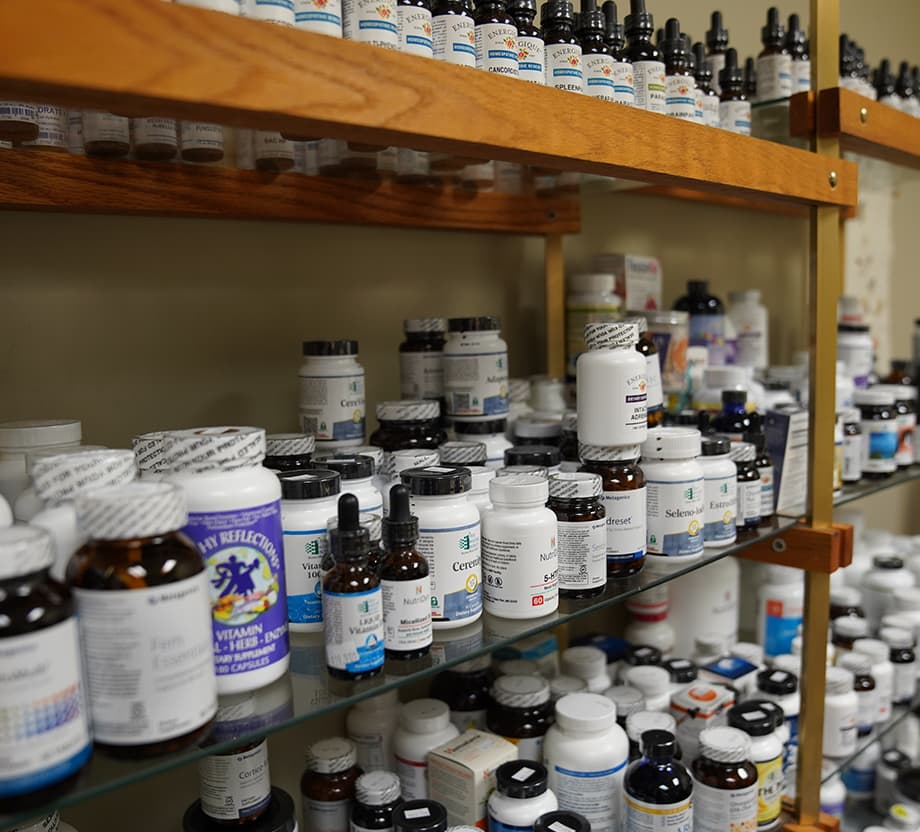
Magnesium: Essential for over 300 enzymatic reactions in your body, including those that produce cellular energy. Magnesium deficiency can cause restless sleep, muscle tension, and morning fatigue.
B-vitamins: Particularly B12, B6, and folate, which are crucial for energy production at the cellular level. Deficiencies can cause fatigue that doesn't improve with rest.
Iron: Low iron doesn't always show up as anemia but can still cause significant fatigue and restless leg syndrome that disrupts sleep quality.
Vitamin D: Deficiency is linked to poor sleep quality, mood issues, and chronic fatigue. Many people in Minnesota are deficient due to limited sun exposure.
Coenzyme Q10: Essential for cellular energy production. Levels naturally decline with age and can be depleted by certain medications.
4. Hidden Toxic Load: The Silent Energy Drain
Environmental toxins, heavy metals, and chemicals can accumulate in your body over time, creating a constant drain on your energy systems. Your body works overtime trying to process and eliminate these toxins, leaving less energy available for daily activities.
Common sources of toxic overload:
- Heavy metals from dental fillings, contaminated water, or certain foods
- Chemicals from cleaning products, personal care items, and pesticides
- Mold exposure from water-damaged buildings
- Air pollution and industrial chemicals
How toxins affect sleep and energy:
- They increase inflammation throughout your body
- They interfere with hormone production and regulation
- They burden your liver, which does much of its detox work during sleep
- They can disrupt neurotransmitters that regulate sleep cycles
Many people with chronic fatigue have a significant toxic load that conventional medicine doesn't assess or address.
5. Digestive Issues That Steal Your Energy While You Sleep
Your digestive system doesn't shut down when you sleep—in fact, it's doing important repair and restoration work. When your gut health is compromised, it can significantly impact both sleep quality and energy levels.
Digestive energy drains:
- Poor nutrient absorption: Even if you eat well, digestive issues can prevent proper absorption of energy-supporting nutrients
- Inflammatory foods: Food sensitivities create inflammation that your immune system works to combat during sleep
- Imbalanced gut bacteria: Harmful bacteria can produce toxins that affect brain function and energy
- Leaky gut syndrome: Allows toxins to enter your bloodstream, creating systemic inflammation
Sleep disruption signs from digestive issues:
- Bloating or discomfort that worsens at night
- Frequent bathroom trips during the night
- Acid reflux or heartburn affecting sleep
- Waking up feeling puffy or inflamed
6. Hormonal Imbalances: The Invisible Energy Regulators
Your hormones orchestrate energy production, sleep cycles, and recovery processes. When hormones are out of balance, you can feel exhausted regardless of sleep duration.
Key hormones affecting energy and sleep:
- Thyroid hormones: Control your metabolic rate and energy production
- Sex hormones: Estrogen, progesterone, and testosterone affect sleep quality and energy
- Melatonin: Your natural sleep hormone, which can be disrupted by stress, light exposure, and age
- Growth hormone: Released during deep sleep for tissue repair and energy restoration
Hormonal imbalances often develop gradually, making them easy to overlook as a cause of persistent fatigue.
Why Standard Sleep Advice Isn't Enough
Most sleep advice focuses on sleep hygiene: consistent bedtimes, dark rooms, avoiding screens, etc. While these factors are important, they don't address the underlying imbalances that prevent your body from truly recovering during sleep.
You can have perfect sleep hygiene and still wake up exhausted if your body is dealing with:
- Blood sugar instability
- Nutrient deficiencies
- Toxic overload
- Hormonal imbalances
- Chronic inflammation
This is where a comprehensive assessment becomes crucial.
How EDS Reveals Your Personal Energy Drains
At Stepping Stone Natural Health, our Electro Dermal Screening process helps identify the specific imbalances that may be sabotaging your sleep quality and energy levels. During your EDS session, we assess:
- Blood sugar regulation and metabolic function
- Adrenal health and stress response patterns
- Nutritional deficiencies affecting energy production
- Toxic load and detoxification capacity
- Digestive health and food sensitivities
- Hormonal balance indicators
This comprehensive evaluation allows us to create a personalized wellness plan that addresses your unique energy drains rather than just treating the symptom of fatigue.
Simple Steps You Can Take Today
While addressing root causes requires professional guidance, here are some immediate steps that may help improve your energy:
For blood sugar stability:
- Eat protein with every meal and snack
- Avoid eating large meals within 3 hours of bedtime
- Choose complex carbs over simple sugars
For better sleep quality:
- Keep your bedroom cool (65-68°F)
- Consider a magnesium supplement before bed
- Avoid caffeine after 2 PM
For reducing toxic load:
- Choose organic produce when possible
- Use natural cleaning and personal care products
- Ensure good ventilation in your home
Ready to Wake Up Refreshed?
If you're tired of being tired despite adequate sleep, it's time to look beyond sleep hygiene and examine what's happening at a deeper level in your body. Our personalized approach has helped many people in the St. Cloud and Central Minnesota area reclaim their natural energy and wake up feeling truly refreshed.
Frequently Asked Questions
Q: How soon after addressing these issues will I feel more energetic? A: Most people begin noticing improvements in energy within 2-4 weeks, with continued improvement over 2-3 months as imbalances correct.
Q: Can EDS really identify why I'm tired after sleeping? A: EDS can reveal imbalances in systems that affect sleep quality and energy production, providing insights that standard sleep studies often miss.
Q: What if I've tried supplements before without success? A: Generic supplements often don't work because they don't address your specific deficiencies and imbalances. Personalized nutrition based on EDS findings is much more effective.
Q: Is it normal to need 9-10 hours of sleep to feel rested? A: While sleep needs vary, consistently needing excessive sleep to feel rested often indicates underlying imbalances affecting sleep quality.
Don't accept chronic fatigue as "just getting older" or "being busy." Your body is designed to wake up feeling refreshed and energetic. Contact Stepping Stone Natural Health in St. Cloud to schedule your EDS Wellness Testing and discover what's really behind your morning fatigue. You deserve to wake up ready to embrace your day.

Sara Hagemeister, C.N.H.P.
Certified Natural Health Professional at Stepping Stone Natural Health in St. Cloud, MN. About Sara