
Halloween Candy and Kids' Digestion: A Guide for Minnesota Families
Candy season arrives fast, and so do the tummy aches, mood swings and 9pm energy spikes. A practical plan for Halloween week, plus the patterns that deserve a closer look.
Halloween has a way of rearranging a week.
Between classroom parties, trunk-or-treats and the main event itself, many kids go from their usual routine to several days of extra sugar, later bedtimes and meals eaten on the move. For some children, that shows up as a stomach ache. For others, it looks like irritability, restless sleep or a stretch of days where nothing quite settles.
For families in St. Cloud and throughout Central Minnesota, a little planning before the doorbell rings can make the whole week easier.
Why Candy Season Can Be Hard on Digestion
It usually is not one piece of candy that causes trouble. It is the combination.
A large amount of sugar eaten quickly, often on an empty stomach, tends to be harder on digestion than the same amount spread across a normal day of meals. Add in a later bedtime, a skipped dinner and the general excitement of the evening, and the digestive system has several things to contend with at once.
Many treats also contain ingredients beyond sugar, including artificial colors, corn syrup, dairy, nuts and sugar alcohols. Sugar alcohols in particular, which are common in sugar-free candy, are a well known cause of gas and loose stools in children when eaten in quantity.
What Parents Commonly Notice
Every child is different, but a few patterns come up again and again in the days after a big candy week.
- Stomach aches, bloating or gas
- Loose stools, or the opposite, constipation later in the week
- Trouble falling asleep, or waking in the night
- Mood swings, meltdowns and a shorter fuse than usual
- An afternoon energy crash at school
- Less appetite for regular meals
Most of this settles once routines return. It is worth paying attention, though, to how long it takes to settle and whether the same thing happens every year.
Make a Plan Before Halloween Night
Deciding in advance is easier than negotiating in the moment, especially with a costumed and very excited child.
Feed a real dinner first. A meal with protein and fat before trick-or-treating means candy lands on a full stomach rather than an empty one.
Agree on the numbers ahead of time. Many families let kids choose a set number of pieces on the night, then a couple per day afterwards. The specific number matters less than the fact that it was agreed before the bag came home.
Sort the haul together. Letting a child trade away what they do not love keeps the volume down without it feeling like a punishment.
Decide what happens to the rest. Freezing some for later, sending extras to a workplace or simply putting the bag out of sight all work. Leaving it open on the counter rarely does.
Protect the Basics for the Rest of the Week
The days after Halloween matter more than the night itself.
Keep meals on their normal schedule so candy is an addition rather than a replacement. Push water, especially at school. Get bedtime back where it belongs the following night rather than letting it drift through the week. A little outdoor time helps too, even when the Minnesota weather has turned.
When It Might Be More Than Sugar
For most children, a rough couple of days after Halloween is just that.
Sometimes, though, parents notice something that does not fit the usual pattern. Digestive upset that lingers well past the candy. The same symptoms appearing at other times of year. Reactions that seem tied to particular foods rather than to sugar generally. Ongoing low energy, poor sleep or skin changes.
If symptoms are severe, persistent or worrying in any way, talk with your child's pediatrician or another qualified healthcare professional. Food allergies in particular require proper medical evaluation and should never be self-diagnosed at home.
Where Electro-Dermal Screening Fits In
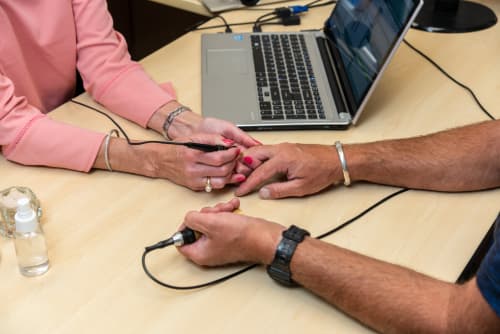
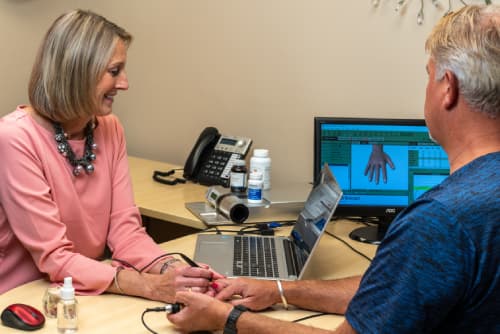
At Stepping Stone Natural Health in St. Cloud, Electro-Dermal Screening (EDS) is used as a non-invasive wellness tool for clients of all ages, including children.
During an EDS evaluation, electrical resistance is measured along specific acupuncture points associated with the body's meridians. That information becomes part of an individualized wellness conversation that may include nutrition, lifestyle and other natural support.
Food and environmental intolerances are among the concerns families commonly bring to an evaluation. An EDS evaluation is not a diagnostic test and should not be considered a substitute for medical allergy testing or pediatric care.
Frequently Asked Questions About Halloween and Kids' Digestion
Why does my child get a stomach ache after Halloween?
A large amount of sugar eaten quickly, often on an empty stomach and alongside a later bedtime, can be hard on digestion. Certain ingredients, including sugar alcohols in sugar-free candy, are also common culprits.
Should I just take the candy away?
Most families find a planned approach works better than removal. Agreeing on an amount in advance, keeping meals normal and storing the rest out of sight tends to cause less conflict.
How long should symptoms last?
Usually a day or two once normal routines return. Digestive symptoms that continue well beyond that, or that show up regularly at other times of year, are worth discussing with your child's provider.
Could it be a food sensitivity rather than sugar?
It is possible, particularly if symptoms follow specific foods rather than candy in general. A medically diagnosed allergy involves an immune response and should be evaluated by a licensed provider using validated testing.
Is Electro-Dermal Screening appropriate for children?
Yes, Stepping Stone Natural Health works with clients of all ages. EDS is a wellness screening tool and does not replace pediatric medical care.
Heading Into the Holidays
Halloween is the first of several months of celebrations, treats and disrupted routines. What you put in place now tends to carry you through November and December.
If your child seems to react more than you would expect, start writing down what you notice. That record is useful whatever you decide to do next.
Stepping Stone Natural Health provides personalized Electro-Dermal Screening and nutritional wellness support for clients of all ages in St. Cloud and throughout Central Minnesota. Call 320-217-5388 to schedule an evaluation or to learn more.

Sara Hagemeister, C.N.H.P.
Certified Natural Health Professional at Stepping Stone Natural Health in St. Cloud, MN. About Sara