
Building Immune Resilience Before St. Cloud Cold Season
October is the window before Minnesota's long indoor season. Practical steps for sleep, nutrition, vitamin D and stress, plus the signs that deserve a closer look.
By October in Central Minnesota, the windows are closed, the furnace is on and everyone is spending a great deal more time indoors together.
That shift matters. Cold and flu season is not just about the temperature dropping. It is about more time in shared indoor air, less daylight, busier schedules and, for many people, less sleep than they were getting in July.
The good news is that October is a useful window. The habits you build now are the ones carrying you through a Minnesota winter.
Sleep Is the Foundation
If you only change one thing this fall, make it sleep.
Sleep is when the body does much of its repair work, and it is usually the first thing sacrificed once school activities, work deadlines and darker evenings pile up. Most adults need seven to nine hours, and school-age children need considerably more.
Consistency matters as much as total hours. A steady bedtime and wake time, even at weekends, is easier on the body than a wildly variable schedule that averages out to the same number.
Eat for the Season
Fall in Minnesota brings a genuinely good harvest, and much of it is worth leaning into.
Squash, apples, carrots, beets, cabbage, onions and dark leafy greens all store well and hold their nutrition. Warm foods, soups and slow-cooked meals tend to be more appealing as the temperature drops anyway.
A few things worth watching:
- Protein at every meal, which is easy to skip when meals get rushed
- Fiber from vegetables, beans and whole grains, which supports digestive health
- Fermented foods such as yogurt, kefir and sauerkraut
- Water, which almost everyone drinks less of once the weather cools
- Sugar, which climbs steadily from Halloween onward
Vitamin D and the Minnesota Winter
This far north, the sun sits too low through the winter months for the skin to make meaningful vitamin D from sunlight, and by October most people are spending far less time outside anyway.
Food sources include fatty fish, egg yolks and fortified dairy, though many people find it difficult to get enough from diet alone during a Minnesota winter.
If you are considering supplementation, talk with your healthcare provider about whether it is appropriate for you and at what level. A simple blood test can establish where you actually stand rather than leaving it to guesswork.
Keep Moving, Even Indoors
Regular moderate movement supports circulation, sleep and stress levels, all of which matter to how you weather the season.
Get outside while you still comfortably can. A walk in October daylight does double duty for movement and for mood as the days shorten. Once the weather turns, having an indoor plan already in place, whether that is a gym, a class or simply stairs and stretching at home, makes it far more likely to continue.
Do Not Underestimate Stress
The stretch from October to January is one of the busiest of the year for most families, and sustained stress takes a real toll on the body.
Protecting some downtime is not indulgent. It is part of staying well through a long season. That might be a genuine evening off each week, time outdoors, a hobby that has nothing to do with productivity, or simply saying no to one thing.
Sensible Household Habits
None of this is glamorous, but it works.
Wash hands properly and often, particularly after school and work. Keep some humidity in the house once the heating is running constantly, since very dry indoor air is uncomfortable for airways. Air rooms out when the weather allows. Stay home when genuinely unwell rather than pushing through and sharing it around.
Signs Worth a Closer Look
Getting an occasional cold over the winter is normal, especially in a household with school-age children.
Some patterns are worth paying more attention to. Illness after illness with no real recovery between. Fatigue that rest does not resolve. Digestive symptoms that have become a constant rather than an occasional event. Feeling noticeably worse every year at the same point in the season.
Anything severe, persistent or unusual should be evaluated by a qualified healthcare professional.
Where Electro-Dermal Screening Fits In
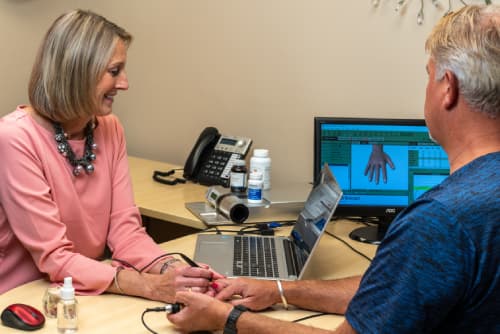
At Stepping Stone Natural Health in St. Cloud, Electro-Dermal Screening (EDS) is used as a non-invasive wellness tool.
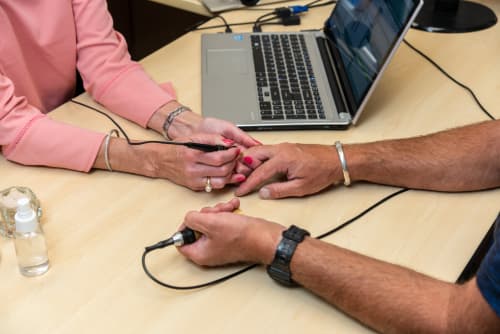
During an EDS evaluation, electrical resistance is measured along specific acupuncture points associated with the body's meridians. That information is then considered as part of an individualized wellness conversation that may include nutrition, lifestyle and other natural support.
The aim is not to diagnose. It is to look more closely at the patterns you have been living with and build a wellness plan suited to you. EDS is not a substitute for care from a licensed medical provider.
Frequently Asked Questions About Fall Immune Support
When should I start preparing for cold season in Minnesota?
Early fall is a sensible time. Sleep, nutrition and stress habits take a few weeks to establish, so October gives you a head start on the indoor months.
Do I need a vitamin D supplement in Minnesota?
Many people this far north find it difficult to maintain levels through the winter, but that is a conversation for your healthcare provider. A blood test can tell you where you stand before you supplement.
What foods support immune health in the fall?
A varied whole-food diet is the practical answer. Seasonal produce such as squash, apples, carrots, cabbage and dark leafy greens, alongside adequate protein, fiber and water, covers most of the ground.
How many colds a winter is normal?
Adults commonly get a few each year and children typically more. Repeated illness with no real recovery in between is worth raising with your provider.
Can Electro-Dermal Screening prevent illness?
No. EDS is used at Stepping Stone Natural Health as a wellness screening tool to inform a personalized plan. It does not prevent, diagnose or treat illness.
Going Into Winter With a Plan
A Minnesota winter is long. Facing it with decent sleep, real food and some protected downtime is a very different experience from arriving at January already depleted.
If you have noticed the same pattern every fall and want to look at it more closely, that is exactly the kind of conversation an evaluation is for.
Stepping Stone Natural Health provides personalized Electro-Dermal Screening and nutritional wellness support for clients of all ages in St. Cloud and throughout Central Minnesota. Call 320-217-5388 to schedule an evaluation or to learn more.

Sara Hagemeister, C.N.H.P.
Certified Natural Health Professional at Stepping Stone Natural Health in St. Cloud, MN. About Sara